
T-Shirt Manufacturer for Labels That Need Drop Two to Match
Jafsu Enterprises is a t shirt manufacturer cutting and sewing tees to your own pattern, fabric weight and written spec — not printing your artwork onto somebody else’s blank. Samples start at one piece, production at 20, and every stitch, print and neck label happens inside our own building, which is the only reliable way to make the reorder measure the same as the sample.
WhatsApp +92 347 0849427 · info@jafsuenterprises.com · every enquiry answered within 24 hours

What Does a T-Shirt Manufacturer Actually Do?
A t shirt manufacturer builds tees from the fabric roll: your pattern, your jersey weight, your neck label, cut and sewn to order and then printed, embroidered, tagged and packed under your brand. Jafsu Enterprises does that from one sample piece and 20-piece production runs in Sialkot, Pakistan, shipping finished orders to the UK, USA, Canada, the EU and Australia.
That is a different business from the two models most new labels start with. A blank wholesaler sells finished shirts by the carton, and print-on-demand decorates a single garment and posts it out. Both are useful for testing artwork, and neither gives you a body shape, a fabric weight or a neck label you control. Real t shirts manufacturing starts before the fabric is cut — which is where a cut and sew tee stops being someone else’s shirt with your graphic on it.
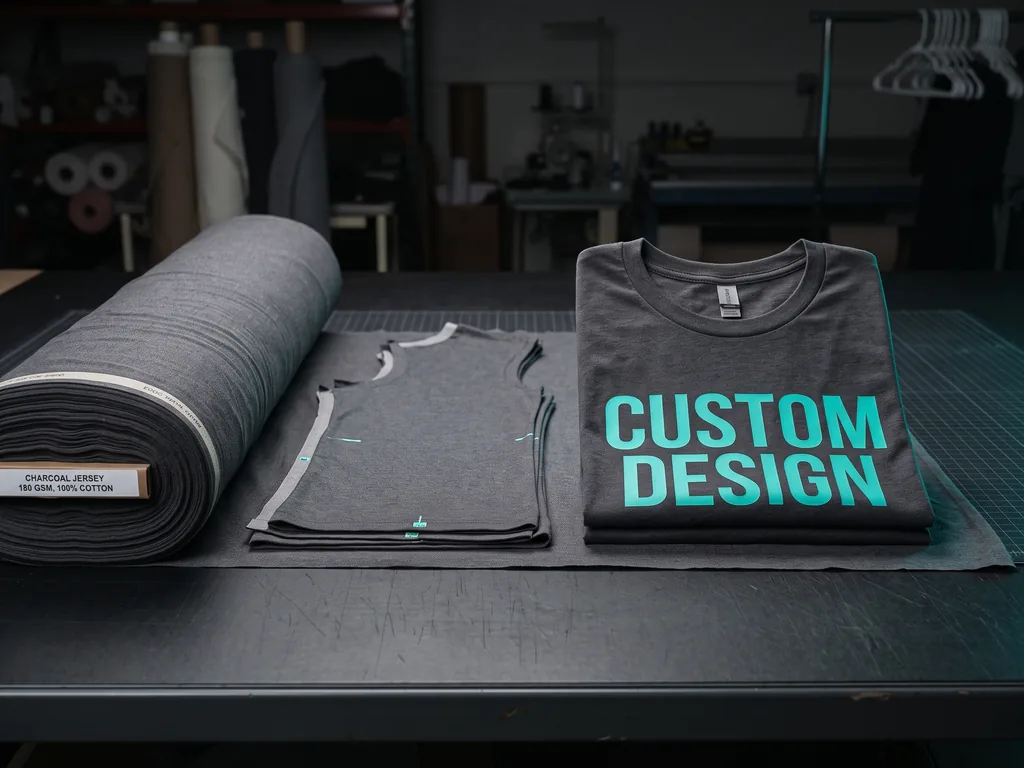
The harder question is never who sews your first 20 shirts. It is who sews the next 200 identically. Brands usually change supplier after the reorder, when the jersey comes back a shade lighter, the body runs an inch shorter, or the print sits low on the chest. The print method matters as much as the shirt; see which t-shirt printing lasts the longest.
That is rarely bad luck. It is what happens when the spec lives in a chat thread instead of a written sheet. The numbers further down are what that sheet should contain, so you can hold any t shirt manufacturer company to them — including this one.
Custom T-Shirts, Built to Your Block
Six bodies cover nearly every tee programme that leaves the floor. Each one is cut to your measurements and your chosen jersey weight — never a stock shirt with a logo added at the end.
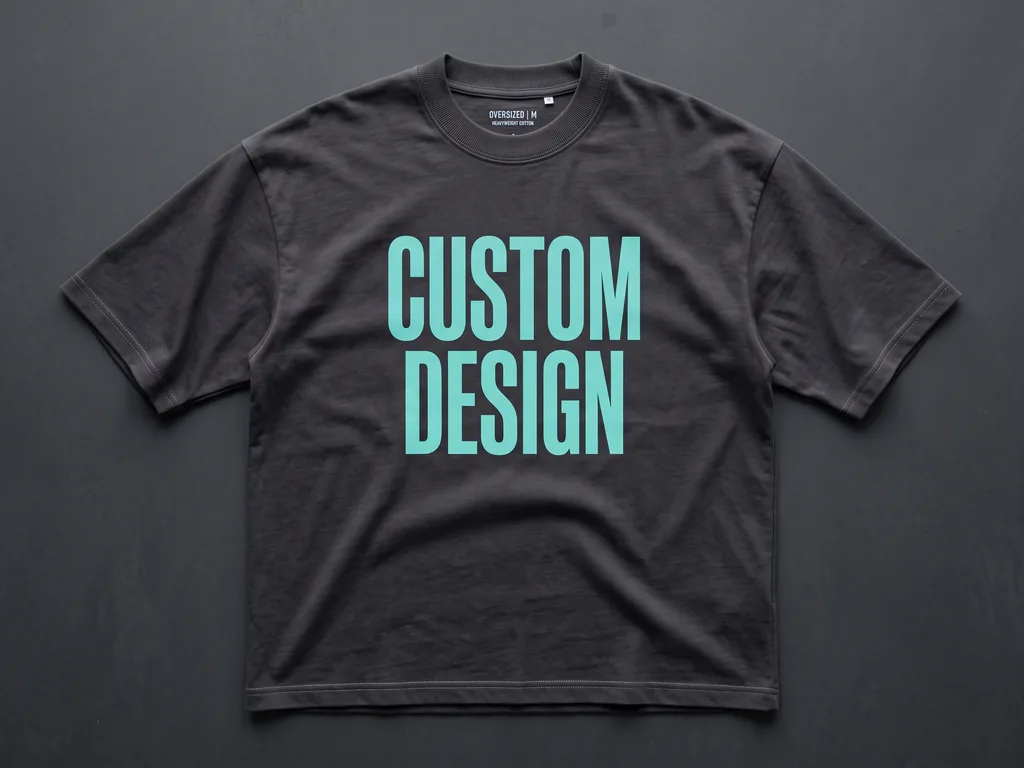
Oversized and boxy tees
Drop-shoulder bodies in heavier combed jersey, patterned separately rather than graded up — scaling a regular block gives you a large shirt, not an oversized one. Heavier cloth is what stops a boxy tee collapsing into a sack after two washes.
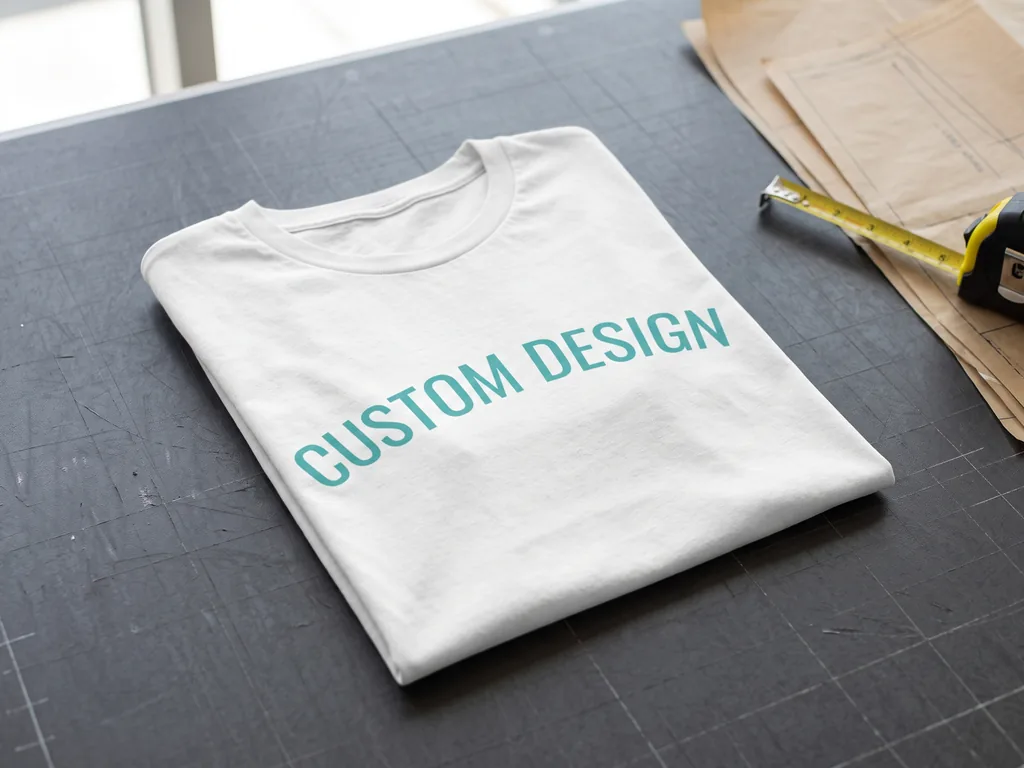
Classic and slim-fit tees
Set-in sleeve bodies in 180–200 GSM jersey for merch runs, staff kits and everyday ranges. Lighter cloth drapes and creases; it is the right choice when unit cost and softness matter more than structure on the rail.
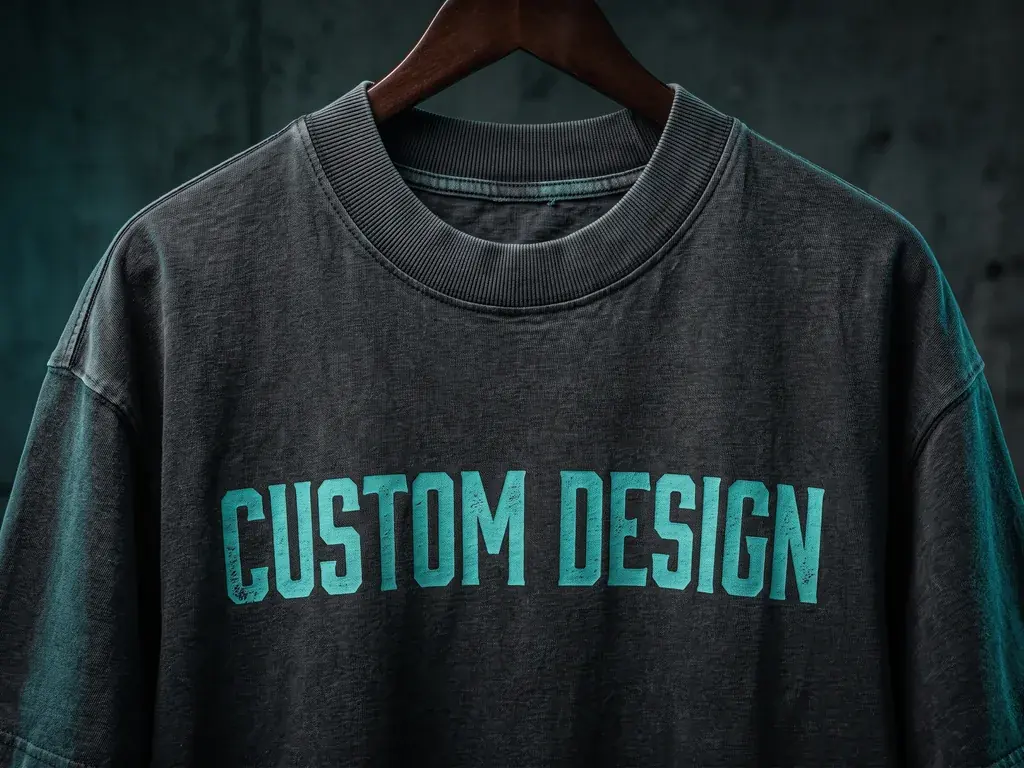
Heavyweight and garment-dyed
Thick jersey with twin-needle hems, wide ribbed collars and optional garment dyeing, acid wash or enzyme softening. Garment-dyed cloth holds its measurements better, which makes repeat sizing easier to defend.
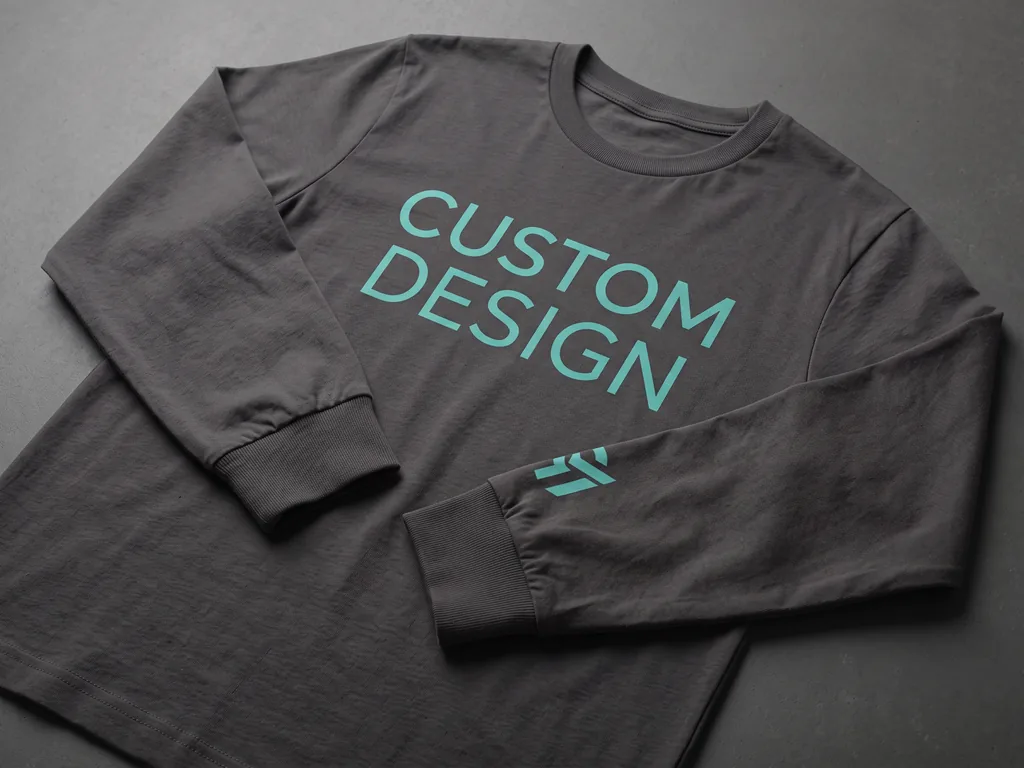
Long-sleeve tees
The same blocks with full sleeves, ribbed cuffs and room for sleeve prints or wrap graphics. Ordered alongside short sleeves in one run, they share a dye lot — two lots of one colour read as a mismatch on the rail.
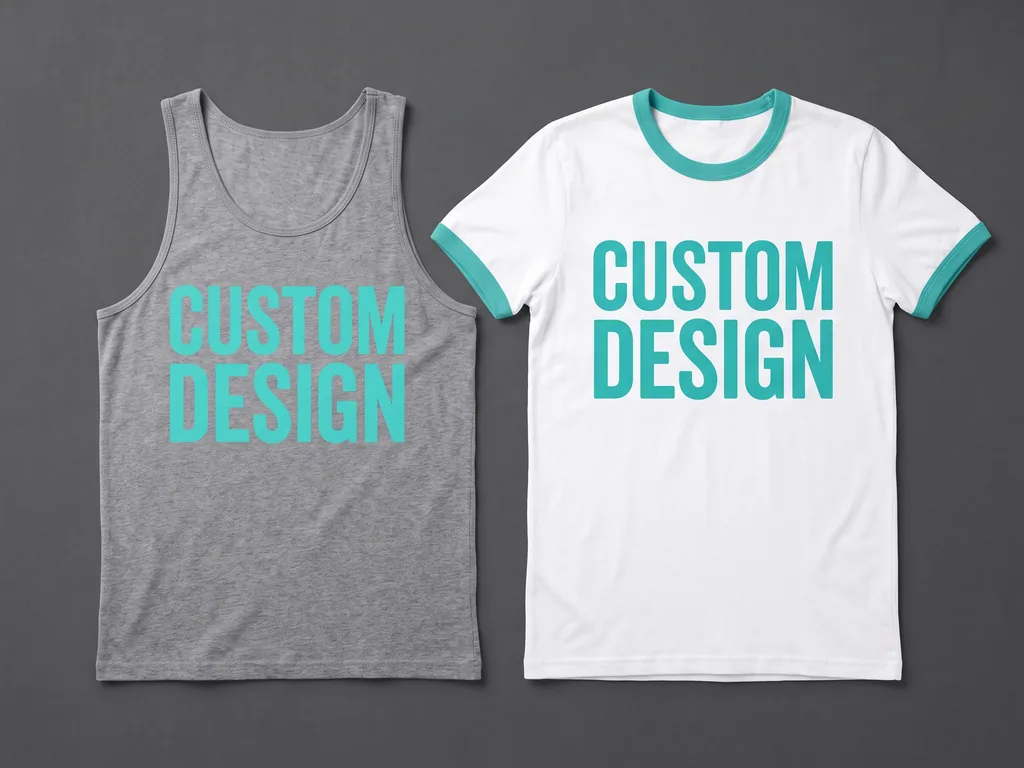
Tanks and ringer tees
Vests, muscle fits and contrast-trim ringers for summer capsules and gym ranges, cut in cotton or cotton-elastane so the body keeps its shape through training and washing.
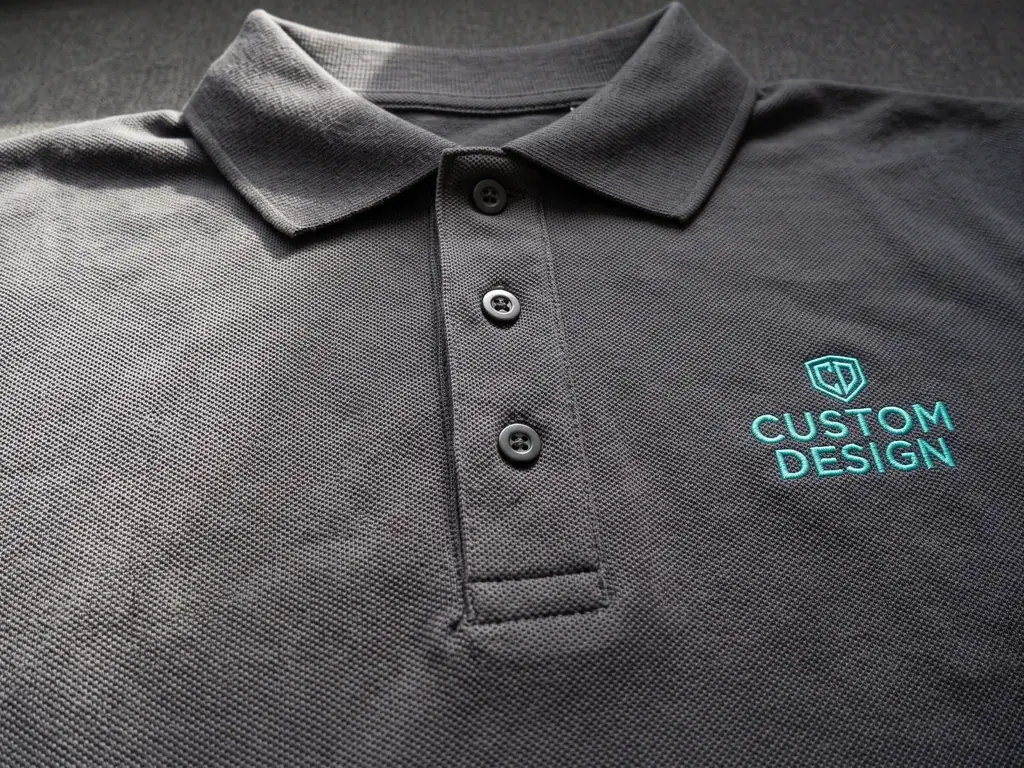
Polo shirts
Piqué and interlock polos with buttoned plackets, knitted collars and side vents for corporate, hospitality and club programmes, usually finished with embroidery rather than print.
Six Lines That Decide Whether Your Reorder Matches
Send these to every t shirt manufacturer you shortlist. The ones worth working with answer in numbers; the rest answer with adjectives.
- Fabric weight in both units. 240 GSM and 7.1 oz/yd² are the same cloth. One conversion error separates the heavyweight tee you costed from a mid-weight one.
- Knit construction, not just “cotton”. Single jersey is the standard tee knit; interlock is double-faced, heavier and smoother. Ring-spun and combed yarn give a cleaner surface and a crisper print than open-end carded cotton.
- Composition and finish. 100% combed cotton, CVC and cotton-elastane wash and shrink differently, and compacted, bio-washed or garment-dyed cloth holds measurements better.
- Shrinkage tolerance in writing. The Sanforized standard allows knits up to 5% dimensional change, and untreated cotton jersey commonly moves 3–5% in length on a warm wash. Get the number agreed before sampling.
- Measurement tolerance per point. Chest, body length and sleeve each need a stated allowance, or “close enough” is decided by whoever is holding the tape.
- Decoration and trims, named. Ink system, print width and placement measured from the high point of shoulder, stitch count, and the exact woven label, tear-away tag or heat transfer neck print in every piece.
A top quality t shirt manufacturer can cost a job against that sheet in 24–48 hours instead of guessing from a photograph, and the sample you approve becomes the spec bulk is measured against.
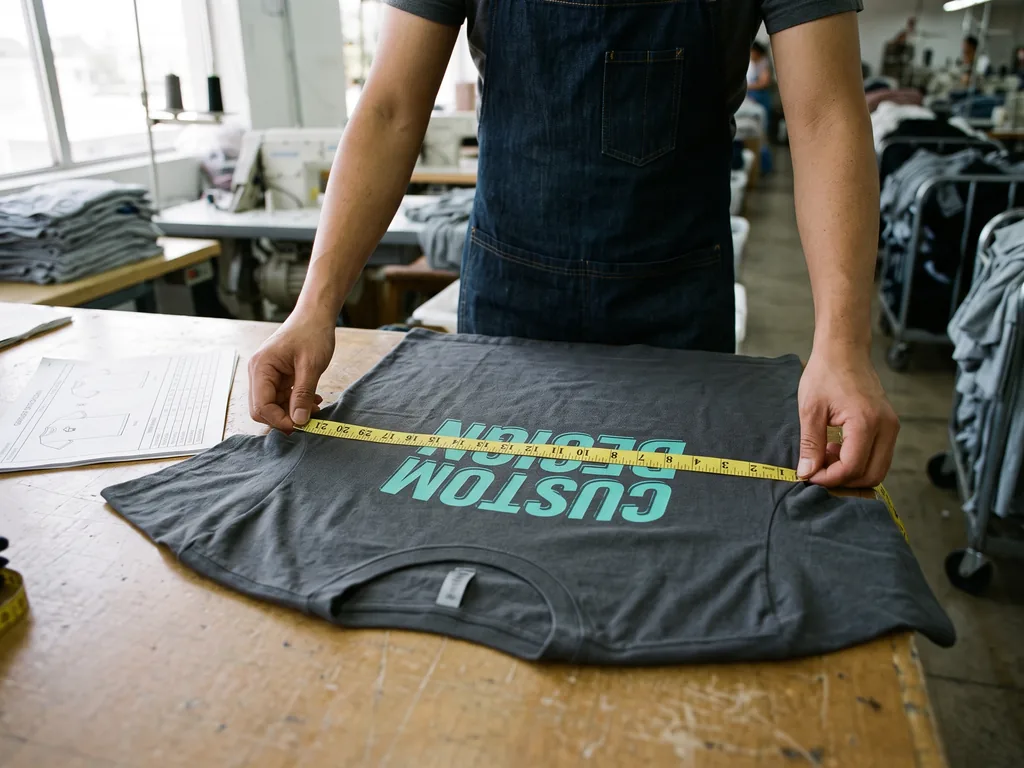
The sheet travels with the order
Cutting, stitching, printing, embroidery, labelling and packing all happen in one building — the advantage of a t shirt manufacturer that brokers nothing out. The measurements checked at inspection are the ones written at quoting, and your patterns and artwork stay yours.
Fabric Weights, Quantities and Lead Times
Every t shirt manufacturer should publish these in both units, because a factory quoting in GSM and a buyer costing in ounces are describing the same cloth. The conversion factor is 33.906.
| Build | Fabric and construction | GSM | oz/yd² |
|---|---|---|---|
| Classic and slim tees | Combed cotton or CVC single jersey | 180–200 | 5.3–5.9 |
| Oversized and boxy tees | Heavier combed single jersey, drop shoulder | 220–280 | 6.5–8.3 |
| Heavyweight and garment-dyed | Compacted jersey, garment dye or acid wash | 240–280 | 7.1–8.3 |
| Tanks and ringers | Cotton or cotton-elastane jersey | 180–240 | 5.3–7.1 |
| Polo shirts | Piqué or interlock, knitted collar | 180–240 | 5.3–7.1 |
| Stage | What happens | Quantity / time |
|---|---|---|
| Mockup | Spec reviewed, artwork placed, itemised costing returned | 24–48 hrs |
| Sample | One sewn tee for fit, hand-feel and decoration sign-off | 1 pc · 7–10 days |
| First drop | One design and colourway, split across S–XXL | 20–40 pcs |
| Bulk 50–300 pcs | Production with inline and endline inspection | 14–18 working days |
| Bulk 500–1,000+ | Volume run; price breaks at 100 / 300 / 500 / 1,000+ | 20–25 working days |
| Dispatch | DHL, FedEx or UPS express, door to door | 4–6 business days |
| Payment | Samples 100% advance; bulk 50% deposit, balance before dispatch against QC photos and video | PayPal · Remitly · Western Union · wire |
Quantity planner: what does your run size actually buy?
Drag to see which price break a run falls into, how long it takes to produce, and what that quantity is normally used for. Air and sea freight are available where cost matters more than speed.
How a T-Shirt Order Runs Through the Factory
Every order takes the same five stages, whether it is 20 tees or 2,000.
-
Enquiry and costing
Send a tech pack, a reference shirt or a sketch with measurements. Back comes a mockup and per-piece costing split by fabric, decoration and trims, so you can see exactly which line to change.
-
Pattern and spec lock
Measurements, GSM, knit, tolerances, trims and print placements confirmed in writing. Revisions here cost nothing; the same revision after cutting costs a run.
-
One-piece sample
One sewn tee in your fabric, fit and decoration. Wash it, wear it, measure it. Nothing goes to bulk until you approve that piece.
-
Production
Spreading, cutting, stitching, screen printing or embroidery, then private label tagging and packing, with inline and endline checks.
-
QC and dispatch
QC photographs and video reach you before the balance falls due, then express dispatch with tracking and paperwork handled here.
Four Kinds of Buyer, One Production Line
A t shirt manufacturer company sees the same four buyers. The brief changes; the line does not.
E-commerce and DTC labels
Drop cycles, not seasons. Twenty pieces per design lets you shoot, list and sell a tee before the next one is cut, then reorder the winners against the same spec.
Sellers outgrowing blanks
The graphics sell and the blank is the ceiling. A private label t shirt manufacturer gives you your own body, weight and neck label instead of a competitor’s shirt underneath your artwork.
Wholesale and bulk buyers
Distributors, stockists and uniform programmes ordering repeat volume, with price breaks at 100, 300, 500 and 1,000+ pieces against a locked written spec.
Agencies, gyms and clubs
Merch and kit programmes that sit alongside our fitnesswear and streetwear lines, so tees, hoodies and gym pieces ship together.
T-Shirt Manufacturer FAQ
What is the minimum order for custom t-shirts?
Samples start at one piece and bulk at 20 pieces per design and colourway, split across S to XXL. Most t shirt manufacturers ask for 200 to 1,000 pieces, so a 20-piece run lets a new label release a real product without funding stock it has not yet sold.
How do I choose the best t shirt manufacturer for my brand?
Ask every supplier on your shortlist for the same six numbers: fabric weight in GSM and oz/yd², knit construction, composition and finish, shrinkage tolerance, measurement tolerance and exact trims. The best t shirt manufacturer for you is the one that answers in figures rather than saying premium and one-stop — then sample the two strongest answers before committing to volume.
What does private label t shirt manufacturing include?
Working as a private label t shirt manufacturer means the finished shirt carries your branding only: your woven or tear-away neck label, or a heat transfer neck print, plus your swing tags, polybags and carton labelling. A t-shirt manufacturer private label programme also keeps your patterns and artwork yours, so the same block can be reordered or moved between colourways without redrawing it.
Do you supply brands in the USA?
Yes. We manufacture in Sialkot, Pakistan and ship door to door to the USA, UK, Canada, Europe and Australia by DHL, FedEx and UPS, usually 4 to 6 business days. Choosing a t shirt manufacturer in USA territory trades transit time and duty handling against unit cost; our quotes stay landed-cost comparable at volume, and US buyers get replies inside 24 hours.
What GSM should a custom t-shirt be?
Most sit between 180 and 280 GSM, or 5.3 to 8.3 oz/yd². Around 180 to 200 GSM the shirt is light, soft and cost-efficient for merch. From 220 GSM up it stands square on the shoulder, which is what an oversized or boxy fit needs, and at 240 to 280 GSM it reads as a premium heavyweight tee on the rail.
How much will my t-shirts shrink?
Knits are allowed up to 5% dimensional change under the Sanforized standard, and untreated cotton jersey commonly loses 3 to 5% in length on a warm wash. Compacted, bio-washed and garment-dyed fabrics move less. Agree the tolerance before sampling so it is built into the pattern rather than argued about after delivery.
Is buying blanks cheaper than t shirts manufacturing from scratch?
At very low quantities, usually yes. Blanks carry no development cost and print-on-demand carries no inventory risk, but per-piece cost is highest and you inherit someone else’s fit, weight and label. Once a design repeats, a custom t shirt manufacturer is normally cheaper per unit and always better for margin, because the shirt itself becomes part of what you are selling.
Do you handle wholesale volumes and repeat orders?
Yes. Repeat runs are produced against the same written spec, with price breaks at 100, 300, 500 and 1,000+ pieces and lead times of 14 to 18 working days for 50 to 300 pieces, or 20 to 25 for 500 to 1,000+. Payment is a 50% deposit with the balance due before dispatch, against QC photos and video.
Send the Spec. Get One Tee Back.
Itemised costing and a mockup within 24–48 hours, a sewn sample in 7–10 working days, production from 20 pieces — from a t shirt manufacturer that answers every enquiry inside a day.
WhatsApp +92 347 0849427 · info@jafsuenterprises.com · Instagram @jafsusports · every enquiry answered within 24 hours