
What Is Sublimation Ink? A Buyer’s Guide for Apparel Brands
For a brand, the ink itself matters less than what it demands from everything around it: fabric composition, garment colour, artwork setup and the factory’s colour control. This guide covers what sublimation ink is, where it works, where it doesn’t, and what to put in writing before you order sublimated product from any manufacturer.
By the Jafsu Enterprises production team · Updated 2 October 2026 · 4 min read
Jafsu Enterprises order terms
What Is Sublimation Ink?
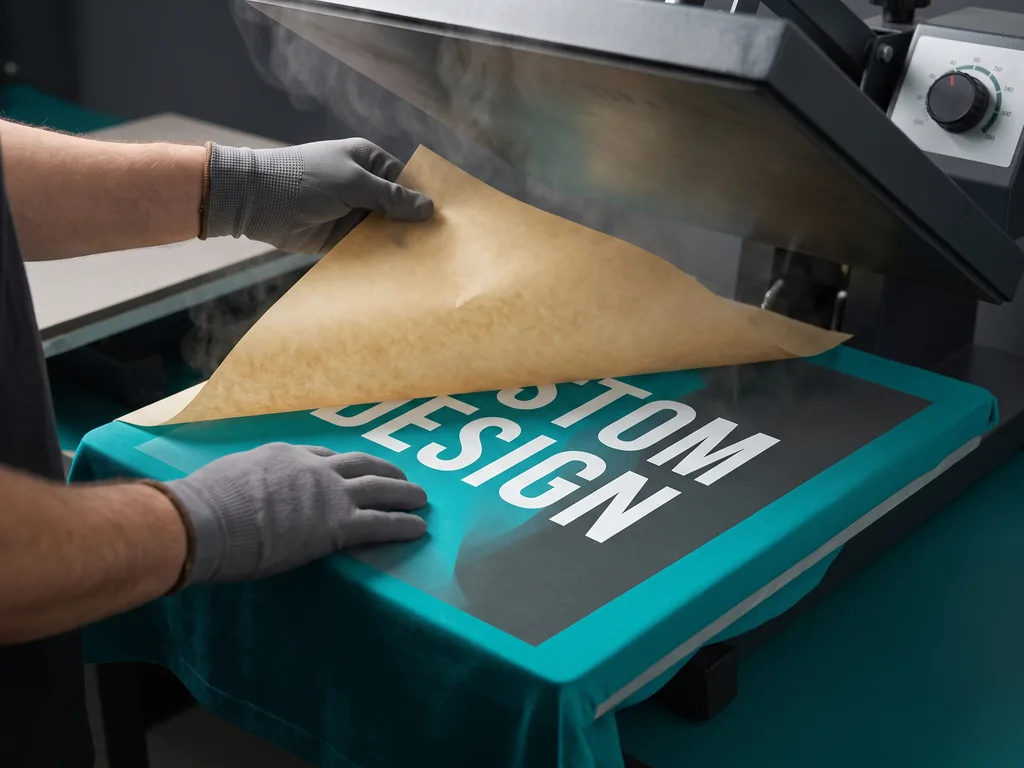
Sublimation ink is a disperse-dye ink that turns from a solid straight into a gas under heat and bonds inside polyester fibres. Printed onto transfer paper and heat-pressed at roughly 190–205°C (375–400°F), it becomes part of the fabric instead of a layer sitting on top. That is why sublimated team kits, leggings and all-over-print garments don’t crack, peel or stiffen after washing.
How Sublimation Ink Works
Sublimation is a phase change: the dye skips the liquid stage and goes directly from solid to vapour. In garment production it runs in three steps.
- Print. The artwork is printed in mirror image onto sublimation transfer paper using disperse-dye inks, usually cyan, magenta, yellow and black, sometimes with extra fluorescent channels.
- Press. The paper is laid on the cut fabric panel and pressed on a flat or rotary heat press. Heat opens the polyester fibres and turns the dye into gas.
- Lock. As the fabric cools, the fibres close around the dye. The colour now sits inside the yarn, not on it.
Because the dye becomes part of the fibre, a sublimated print has no hand-feel at all. Run a finger across a sublimated football shirt and you feel fabric, not ink, which is the main reason sublimation dominates teamwear and performance apparel.
Which Fabrics Can Be Sublimated?
Sublimation ink only bonds properly with polyester. It has nothing to grip on cotton, so the rule of thumb is simple: the more polyester in the fabric, the brighter and more durable the print.
| Fabric composition | Sublimation result | Typical use |
|---|---|---|
| 100% polyester | Full, vivid colour and the best wash durability | Team kits, esports jerseys, cycling tops |
| Polyester-spandex | Excellent; stretch knits print cleanly | Leggings, rash guards, compression wear |
| Poly-cotton blends (65/35, 50/50) | Faded, vintage look, because colour only lands on the polyester fibres | Deliberately washed-out fashion prints |
| 100% cotton | Not suitable; the dye washes out | Use screen printing, DTG or embroidery instead |
Garment colour matters as well. Sublimation ink is transparent and contains no white, so it can only add colour to a white or very light base. Sublimated garments are therefore printed on white fabric, and the background colour, even black, comes from the ink itself.
What Sublimation Does Well, and Where It Falls Short
Strengths
- Unlimited colours at no extra cost. A twelve-colour gradient costs the same to print as a single colour, unlike screen printing, where every colour needs its own screen.
- Edge-to-edge coverage. Panels are printed before sewing, so designs run across seams, under the arms and around collars.
- Durability. The print lasts as long as the fabric; there is no ink layer to crack or peel.
- Breathability. Nothing blocks the fabric’s structure, so moisture-wicking performance is unchanged.
- Small-run friendly. No screens or setup plates, so numbered kits and short runs stay economical.
Limitations
- Polyester only. A brand built on cotton hand-feel needs a different decoration method.
- No white ink. White areas of a design are simply unprinted fabric.
- Colour shift. Screen colours and printed colours never match exactly; blacks can print slightly warm or cool depending on the ink set and colour profile.
- UV fading. Like any dye, sublimated colour fades with long sun exposure, which matters for outdoor and swim lines.
Colour Matching: Where Most Sublimation Orders Go Wrong
The ink is standardised; the result is not. The same artwork printed by two factories can come back noticeably different because of the ink brand, the ICC colour profile, press temperature, dwell time and the whiteness of the fabric. A few habits prevent most disappointments.
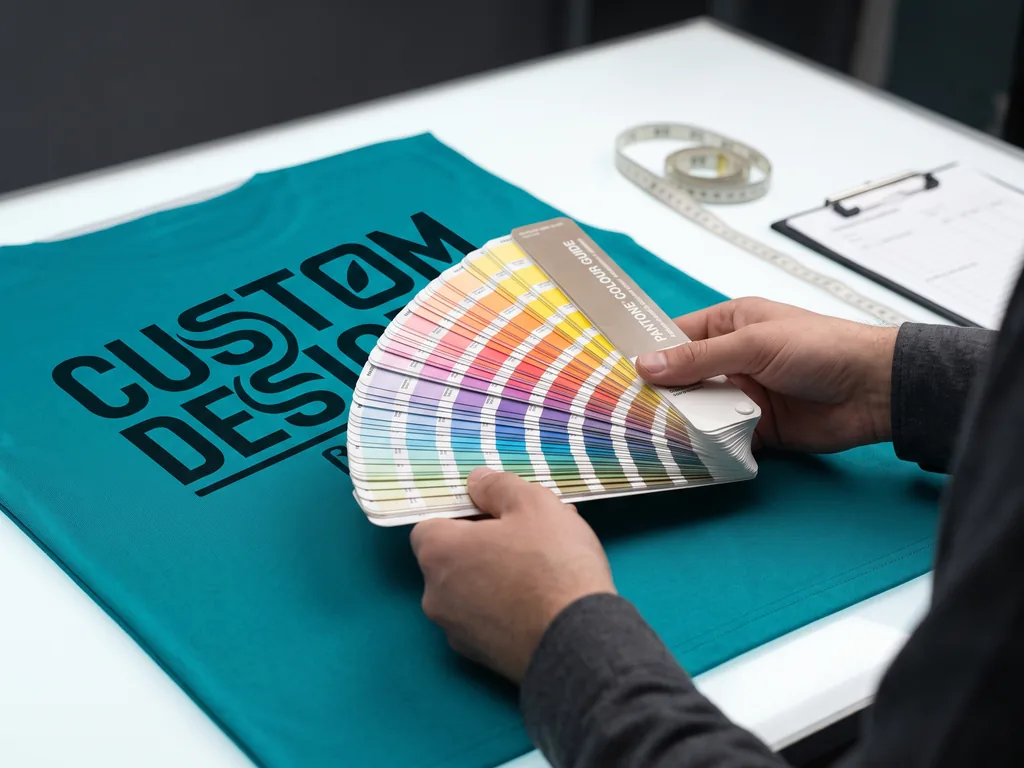
- Give Pantone references for brand-critical colours rather than RGB values from a screen.
- Approve a physical sample in the production fabric, not a digital proof on a monitor.
- Keep reorders on the same fabric. Switching from interlock to mesh changes how a colour reads, even with identical ink.
- Ask how colour is checked between the first and last panel of a run.
What to Put in Your Spec Before Ordering
- Fabric composition and weight in both units, for example 140–220 GSM (4.1–6.5 oz/yd²) for performance kit
- Pantone references for key colours, and which elements may shift slightly and which may not
- Artwork as vector files or high-resolution images at print size, with bleed around every panel
- Names, numbers and the size breakdown in one spreadsheet for team orders
- Seam and collar construction, because sublimation happens before sewing
- The wash care you intend to print on the label
Ordering Sublimated Apparel From Jafsu Enterprises
We print and press sublimation in-house, next to cutting and stitching, so the panel that leaves the heat press is the panel that goes onto the sewing line. Team kits, activewear and all-over-print streetwear all run through our dye sublimation printing process. Samples start at one piece and production at 20 pieces per design, with a costed mockup in 24–48 hours and a sewn sample in 7–10 working days.
Planning a sportswear or fitnesswear range? Send your artwork and fabric preferences through our contact page. Finished orders ship door to door to the USA, UK, Canada, Europe and Australia by DHL, FedEx or UPS.
Related Guides and Services
Send Your Design. Get a Costing Back.
Itemised costing and a mockup in 24–48 hours, a sewn sample in 7–10 working days, and production from 20 pieces per design and colourway.
info@jafsuenterprises.com · @jafsusports · Every enquiry answered within 24 hours.